Buy yaxin.eu ?
We are moving the project
yaxin.eu .
Are you interested in purchasing the domain
yaxin.eu ?
domain@kv-gmbh.de · 0541-91531010
Buy yaxin.eu ?
Continuity or Change in the Early Modern Period?
The Early Modern Period, spanning from the 15th to 18th centuries, was characterized by a mix of continuity and change. Continuity was seen in the persistence of feudal social structures, religious beliefs, and traditional forms of governance. However, significant changes also occurred during this period, such as the rise of nation-states, the exploration and colonization of new territories, the Protestant Reformation, and the Scientific Revolution. Overall, the Early Modern Period was a time of transition and transformation, with both elements of continuity and change shaping the era. **
Can you provide a summary of the Early Modern period?
The Early Modern period, which lasted from the late 15th century to the late 18th century, was a time of significant social, political, and cultural change. It saw the rise of nation-states, the expansion of global trade and exploration, and the emergence of new scientific and philosophical ideas. This period also witnessed the Protestant Reformation, the Renaissance, and the Enlightenment, all of which had a profound impact on the development of Western civilization. It was a time of great innovation and upheaval, laying the groundwork for the modern world as we know it. **

Similar search terms for Early
Top-Angebote
Products related to Early:
-
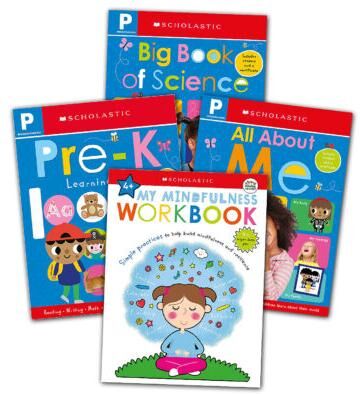
Scholastic Early Learners Pre-K Activity PackScholastic Early Learners is a dedicated learning program that builds school skills from infancy through second grade. Created by experts and focused on reinforcing curriculum topics and current academic guidelines with kid-friendly activities, this...30,56 $*Shipping: 0,00 $Secure redirect to the provider
-
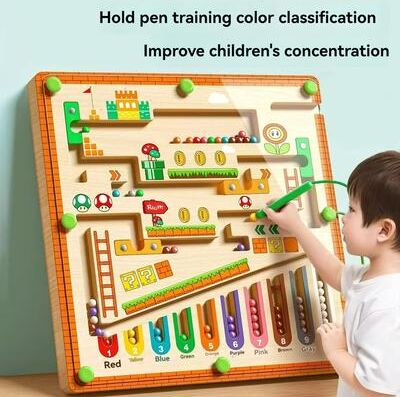
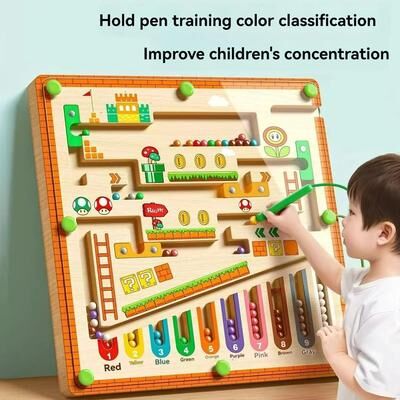
Modern Home Fixes Magnetic Maze Toy For Kids Early Education Puzzle large SizeHelp your little learner build focus, patience, and confidence through playful discovery. This magnetic maze toy guides children as they move the ball through winding paths using a magnetic pen, turning learning time into a fun handson challenge....22,97 $*Shipping: 0,00 $Secure redirect to the provider
-
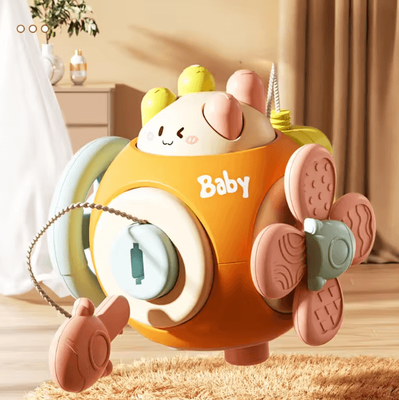
Uplift Curations Montessori Busy Ball Grasping Toy For Early Sensory Development Montessori Busy Ball Grasping Toy For Early Sensory DevelopmentSupport your babys earliest learning moments with a toy designed for discovery and growth. This engaging Montessori busy ball encourages babies to explore, grab, and interacthelping build essential skills through play. Its open, easytohold structure...46,50 $*Shipping: 0,00 $Secure redirect to the provider
-
Uplift Essentials Childrens Magnetic Maze Walking Ball Early Education Logic & Concentration Puzzle Childrens Magnetic Maze Walking Ball Early Education Logic & Concentration PuzzleSpark your childs curiosity and cognitive growth with this Children's Magnetic Maze Walking Ball. Specially designed for 3yearold early education, this interactive puzzle is a powerful tool for concentration training and developing essential logic...56,97 $*Shipping: 0,00 $Secure redirect to the provider
-
Which modern and contemporary artists paint in the early period?
Some modern and contemporary artists who paint in the early period style include Eric Fischl, David Hockney, and Neo Rauch. These artists draw inspiration from the techniques and aesthetics of early periods in art history, such as the Renaissance or Baroque periods, but infuse their work with a contemporary twist. Their paintings often feature realistic figures and settings, rich colors, and a strong sense of narrative or emotion, reminiscent of the early period styles they admire. **
-
What did the early modern state in Germany look like?
The early modern state in Germany was characterized by a patchwork of independent territories, each ruled by its own prince or noble. These territories were often part of larger entities such as the Holy Roman Empire, but they maintained a significant degree of autonomy. The central authority of the Holy Roman Emperor was weak, and the various territories had their own laws, currencies, and administrative systems. This decentralized political structure contributed to a fragmented and often unstable political landscape in early modern Germany. **
-
What did the early modern state look like in Germany?
The early modern state in Germany was characterized by a fragmented political landscape, with over 300 independent states known as principalities, duchies, and free cities. These states were ruled by various monarchs, princes, and city councils, each with their own laws, currencies, and armies. The Holy Roman Empire, a loose confederation of states, provided a nominal overarching authority, but real power was decentralized. This decentralized structure led to frequent conflicts and shifting alliances among the states, contributing to a lack of centralized authority in Germany during this period. **
-
What were the gender roles in the Early Modern period?
In the Early Modern period, gender roles were largely defined by traditional expectations and societal norms. Men were typically seen as the primary breadwinners and decision-makers, responsible for providing for their families and holding positions of authority in society. Women, on the other hand, were expected to focus on domestic duties, such as caring for the household and children. They had limited opportunities for education and employment outside the home, and their social status was often tied to their roles as wives and mothers. Overall, gender roles were highly stratified and reinforced by cultural and religious beliefs of the time. **

What are the differences between Old Europe and Early Modern Era?
Old Europe refers to the period from around 3000 BCE to 500 BCE, characterized by the development of early civilizations such as the Minoans, Mycenaeans, and ancient Greeks. This period saw the rise of city-states, the development of writing systems, and the establishment of complex social structures. In contrast, the Early Modern Era, which began around the 16th century, was marked by significant changes in Europe, including the Renaissance, the Age of Exploration, the Protestant Reformation, and the rise of nation-states. This era saw advancements in science, technology, and the arts, as well as the beginning of global trade and colonization. Overall, the differences between Old Europe and the Early Modern Era lie in the significant social, political, and cultural changes that occurred during these periods. **
What were the gender roles like in the Early Modern period?
In the Early Modern period, gender roles were largely defined by traditional expectations and societal norms. Men were typically seen as the primary breadwinners and held positions of authority in both the household and society. Women were expected to primarily focus on domestic duties, such as managing the household and caring for children. These roles were reinforced by cultural and religious beliefs that emphasized the importance of maintaining the social order and hierarchy. However, there were variations in gender roles depending on factors such as social class, geographic location, and individual circumstances. **
Top-Angebote
Products related to Early:
-
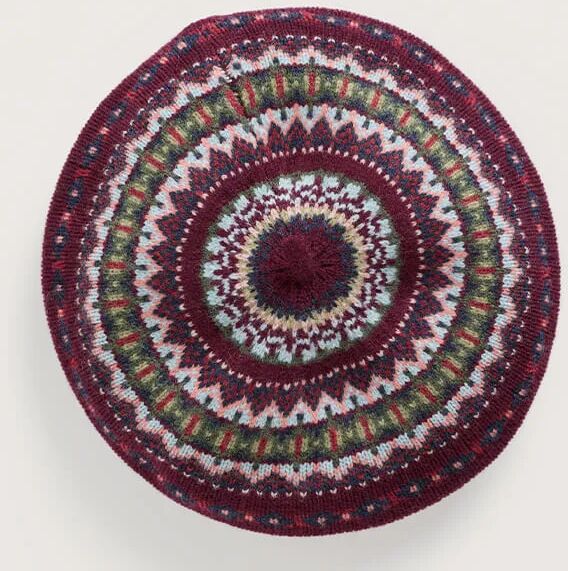
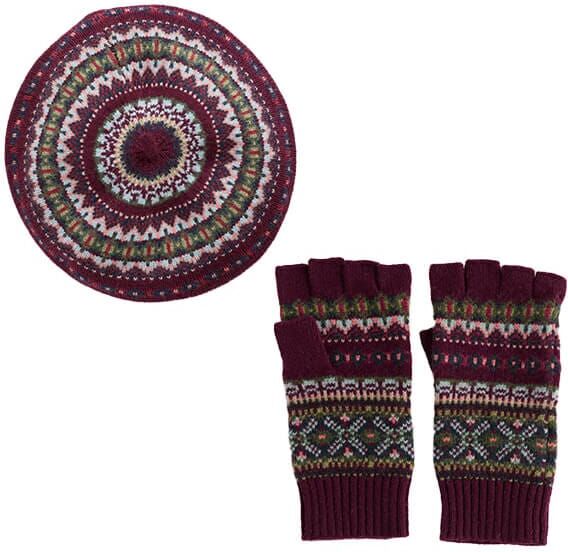
Seasalt Early Bird Beret Larkspur Dark HelleboreThe Seasalt Early Bird Beret in Larkspur Dark Hellebore is a joyful beret for cooler days, knitted from a warm but lightweight blend of fine merino with recycled fibres for strength and durability. The colourful, geometric pattern is inspired by traditional Fair Isle knitwear. Made from 80% Merino Wool 20% Recycled Nylon. Hand wash in cold water.22,46 £*Shipping: 3,50 £Secure redirect to the provider
-
Seasalt Early Bird Beret Larkspur Loch MultiThe Seasalt Early Bird Beret in Larkspur Loch Multi is a joyful beret for cooler days, knitted from a warm but lightweight blend of fine merino with recycled fibres for strength and durability. The colourful, geometric pattern is inspired by traditional Fair Isle knitwear. Made from 80% Merino Wool 20% Recycled Nylon. Hand wash in cold water.22,46 £*Shipping: 3,50 £Secure redirect to the provider
-
Scholastic Early Learners Pre-K Activity PackScholastic Early Learners is a dedicated learning program that builds school skills from infancy through second grade. Created by experts and focused on reinforcing curriculum topics and current academic guidelines with kid-friendly activities, this...30,56 $*Shipping: 0,00 $Secure redirect to the provider
-
Modern Home Fixes Magnetic Maze Toy For Kids Early Education Puzzle large SizeHelp your little learner build focus, patience, and confidence through playful discovery. This magnetic maze toy guides children as they move the ball through winding paths using a magnetic pen, turning learning time into a fun handson challenge....22,97 $*Shipping: 0,00 $Secure redirect to the provider
-
Continuity or Change in the Early Modern Period?
The Early Modern Period, spanning from the 15th to 18th centuries, was characterized by a mix of continuity and change. Continuity was seen in the persistence of feudal social structures, religious beliefs, and traditional forms of governance. However, significant changes also occurred during this period, such as the rise of nation-states, the exploration and colonization of new territories, the Protestant Reformation, and the Scientific Revolution. Overall, the Early Modern Period was a time of transition and transformation, with both elements of continuity and change shaping the era. **
-
Can you provide a summary of the Early Modern period?
The Early Modern period, which lasted from the late 15th century to the late 18th century, was a time of significant social, political, and cultural change. It saw the rise of nation-states, the expansion of global trade and exploration, and the emergence of new scientific and philosophical ideas. This period also witnessed the Protestant Reformation, the Renaissance, and the Enlightenment, all of which had a profound impact on the development of Western civilization. It was a time of great innovation and upheaval, laying the groundwork for the modern world as we know it. **
-
Which modern and contemporary artists paint in the early period?
Some modern and contemporary artists who paint in the early period style include Eric Fischl, David Hockney, and Neo Rauch. These artists draw inspiration from the techniques and aesthetics of early periods in art history, such as the Renaissance or Baroque periods, but infuse their work with a contemporary twist. Their paintings often feature realistic figures and settings, rich colors, and a strong sense of narrative or emotion, reminiscent of the early period styles they admire. **
-
What did the early modern state in Germany look like?
The early modern state in Germany was characterized by a patchwork of independent territories, each ruled by its own prince or noble. These territories were often part of larger entities such as the Holy Roman Empire, but they maintained a significant degree of autonomy. The central authority of the Holy Roman Emperor was weak, and the various territories had their own laws, currencies, and administrative systems. This decentralized political structure contributed to a fragmented and often unstable political landscape in early modern Germany. **
Similar search terms for Early
-
Uplift Curations Montessori Busy Ball Grasping Toy For Early Sensory Development Montessori Busy Ball Grasping Toy For Early Sensory DevelopmentSupport your babys earliest learning moments with a toy designed for discovery and growth. This engaging Montessori busy ball encourages babies to explore, grab, and interacthelping build essential skills through play. Its open, easytohold structure...46,50 $*Shipping: 0,00 $Secure redirect to the provider
-
Uplift Essentials Childrens Magnetic Maze Walking Ball Early Education Logic & Concentration Puzzle Childrens Magnetic Maze Walking Ball Early Education Logic & Concentration PuzzleSpark your childs curiosity and cognitive growth with this Children's Magnetic Maze Walking Ball. Specially designed for 3yearold early education, this interactive puzzle is a powerful tool for concentration training and developing essential logic...56,97 $*Shipping: 0,00 $Secure redirect to the provider
-
Uplift Picks Kids Wooden Jigsaw Puzzle Matching Game Early Learning Educational Toy Kids Wooden Jigsaw Puzzle Matching Game Early Learning Educational ToyBuild focus, confidence, and curiosity through play with this wooden jigsaw puzzle designed for young learners. This colorful matching game helps children recognize animals, fruits, and traffic objects while developing problemsolving skills. Made...44,50 $*Shipping: 0,00 $Secure redirect to the provider
-
Seasalt Early Bird Beret & Mabyn Mittens Larkspur Dark HelleboreMeet the Seasalt set of 3 winter accessories in Larkspur Dark Hellebore, a joyful pairing of cosy winter accessories designed to keep you warm and stylish through cooler days. The set includes the Early Bird Beret and Mabyn Mittens, both featuring a colourful Fair Isle-inspired pattern in rich Larkspur Dark Hellebore. The Early Bird Beret is knitted from a warm yet lightweight blend of fine merino and recycled fibres, offering softness, strength and durability. The Mabyn Mittens are cosy fingerless gloves crafted from a smooth 7 gauge knit in a responsibly sourced merino-rich blend, with ribbed cuffs to help keep out the chill. A practical and colourful duo, perfect for adding warmth and cheerful pattern to your winter wardrobe. Made from 80% Merino Wool 20% Recycled Nylon. Hand wash in cold water.43,43 £*Shipping: 3,50 £Secure redirect to the provider
-
What did the early modern state look like in Germany?
The early modern state in Germany was characterized by a fragmented political landscape, with over 300 independent states known as principalities, duchies, and free cities. These states were ruled by various monarchs, princes, and city councils, each with their own laws, currencies, and armies. The Holy Roman Empire, a loose confederation of states, provided a nominal overarching authority, but real power was decentralized. This decentralized structure led to frequent conflicts and shifting alliances among the states, contributing to a lack of centralized authority in Germany during this period. **
-
What were the gender roles in the Early Modern period?
In the Early Modern period, gender roles were largely defined by traditional expectations and societal norms. Men were typically seen as the primary breadwinners and decision-makers, responsible for providing for their families and holding positions of authority in society. Women, on the other hand, were expected to focus on domestic duties, such as caring for the household and children. They had limited opportunities for education and employment outside the home, and their social status was often tied to their roles as wives and mothers. Overall, gender roles were highly stratified and reinforced by cultural and religious beliefs of the time. **
-
What are the differences between Old Europe and Early Modern Era?
Old Europe refers to the period from around 3000 BCE to 500 BCE, characterized by the development of early civilizations such as the Minoans, Mycenaeans, and ancient Greeks. This period saw the rise of city-states, the development of writing systems, and the establishment of complex social structures. In contrast, the Early Modern Era, which began around the 16th century, was marked by significant changes in Europe, including the Renaissance, the Age of Exploration, the Protestant Reformation, and the rise of nation-states. This era saw advancements in science, technology, and the arts, as well as the beginning of global trade and colonization. Overall, the differences between Old Europe and the Early Modern Era lie in the significant social, political, and cultural changes that occurred during these periods. **
-
What were the gender roles like in the Early Modern period?
In the Early Modern period, gender roles were largely defined by traditional expectations and societal norms. Men were typically seen as the primary breadwinners and held positions of authority in both the household and society. Women were expected to primarily focus on domestic duties, such as managing the household and caring for children. These roles were reinforced by cultural and religious beliefs that emphasized the importance of maintaining the social order and hierarchy. However, there were variations in gender roles depending on factors such as social class, geographic location, and individual circumstances. **
* All prices are inclusive of VAT and, if applicable, plus shipping costs. The offer information is based on the details provided by the respective shop and is updated through automated processes. Real-time updates do not occur, so deviations can occur in individual cases. ** Note: Parts of this content were created by AI.